
What kind of chalk should I use for climbing? | Climbing
Share
Complete Guide to Climbing Chalk: Types, Uses, and Storage
Chalk is an essential element in climbing, both outdoors and indoors. It improves grip and reduces hand sweat, providing greater security with every move. However, not all types of chalk are the same. In this article, we explore the differences between powdered, liquid, and block chalk, as well as the best storage practices.
Types of Climbing Chalk
1. Powdered Chalk
Powdered chalk is the most commonly used by climbers due to its ease of application and rapid sweat absorption. It is found in chalk bags and is ideal for long climbs, as it allows for constant reapplication.
- Advantages: Easy to apply and economical.
- Disadvantages: Can generate excessive dust, which is restricted in some climbing gyms.
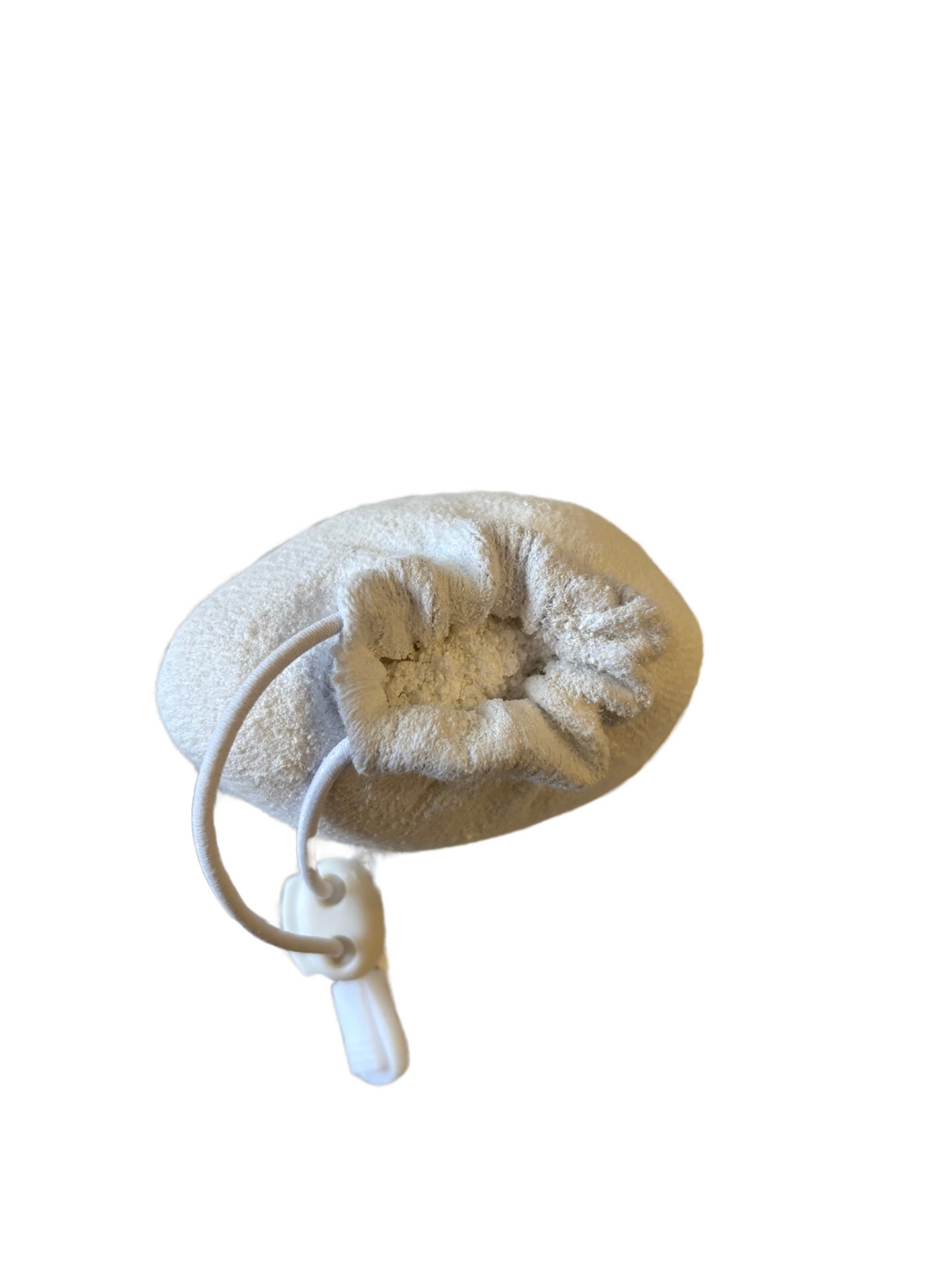
At Zebrados, we have a refillable chalk ball. Once the chalk runs out, you can refill it.
It is much easier to apply with the ball, and also much less chalk is wasted. Ideally, the chalk ball should be inside the chalk bag, but if not, you can use the ball itself inside the plastic bag we provide.
2. Block Chalk
This is a compact form of chalk that breaks into powder when rubbed between the hands. Many climbers prefer to break off small pieces and keep them in their bags.
- Advantages: Reduces dust compared to loose chalk and lasts longer.
- Disadvantages: May be less practical for quick application.
3. Liquid Chalk
This type of chalk is applied as a gel and dries quickly, leaving a thin layer on the skin. It is an excellent option in gyms where powdered chalk is prohibited.
- Advantages: Does not generate dust and lasts longer on the hands.
- Disadvantages: May contain alcohol, which can dry out the skin over time.
Which to Choose Depending on the Type of Climbing?
- Bouldering: Powdered or block chalk is ideal, as it allows for quick application between attempts.
- Sport Climbing: A combination of liquid and powdered chalk may be the best option to ensure a good grip without constant reapplication.
- Climbing Gym: If allowed, liquid chalk is the cleanest option.
How to Store Chalk Correctly
To maximize the lifespan of your chalk and avoid waste, follow these recommendations:
-
Closed Chalk Bags: Use chalk bags with an adjustable closure to prevent spills and dispersion in your backpack. At Zebrados, we have a bouldering chalk bag with a hermetic and magnetic closure, so not a single leak of chalk occurs. Additionally, we have a pack with the chalk ball and a brush.
- Airtight Containers: Store powdered or block chalk in sealed containers to protect it from moisture.
- Well-Sealed Liquid Chalk: Make sure to close the bottle tightly to prevent it from drying out or spilling.
Conclusion
Choosing the right chalk depends on the type of climbing and environmental conditions. Powdered, block, and liquid chalk all have specific advantages that can improve your performance and comfort. Proper storage will ensure it is always in optimal condition when you need it.